 Future for Autism
Practical Support for Parents of Children with Autism
Talk to a Parent
Future for Autism
Practical Support for Parents of Children with Autism
Talk to a Parent
Future for Autism
Practical Support for Parents of Children with Autism
Talk to a Parent
Future for Autism
Practical Support for Parents of Children with Autism
Talk to a Parent
I know the feeling of not knowing where to even begin. No one hands you a map when your child is diagnosed. Everything here comes from a parent who's lived it, not a professional billing by the hour.
 Future for
There isn't enough awareness out there, and most of what exists is written by people paid to write it, not people who've lived it. I'm not against professionals; we need them. But a parent doesn't do this for money, a parent does this because another parent understands. That's the only reason this site exists.
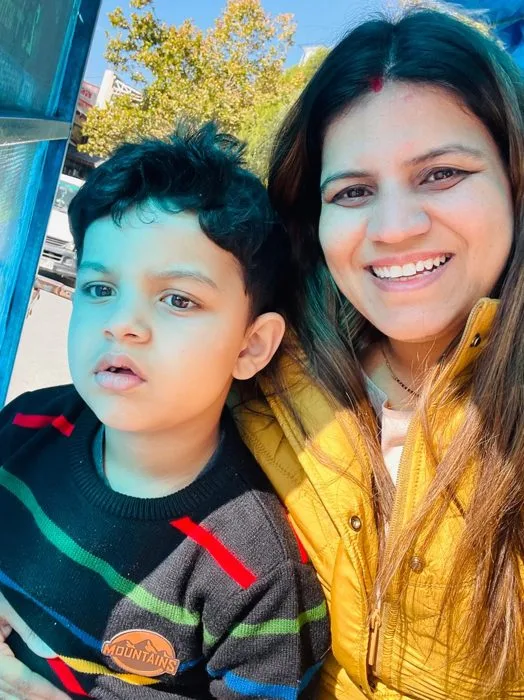
I'm Kanika Lamba, Mivaan's mother. When he was first diagnosed, he was on the more severe end of the spectrum: largely non-verbal, easily overwhelmed, and every day felt like starting from zero. Nobody handed me a map. That confusion, not knowing the first step or the next one, is the hardest part nobody warns you about.
Years of trial, error, and a lot of love later, Mivaan has moved from high support needs toward a much milder place on the spectrum. He's still on his way from non-verbal to verbal. Every new word is a milestone we celebrate, not an endpoint we've reached.
There isn't enough awareness out there. Professionals with the knowledge are, understandably, doing this for a living. It's their job, not their child. A parent does it because another parent understands. My only goal here is simple: help you avoid what I faced alone, and give you the direction I wish I'd had from day one.
What worked for Mivaan may not be what works for your child. These guides are starting points, not formulas.
Some weeks feel like leaps forward, others like standing still. Both are part of the same journey.
You don't need to overhaul everything at once. One routine, one activity, one week at a time.
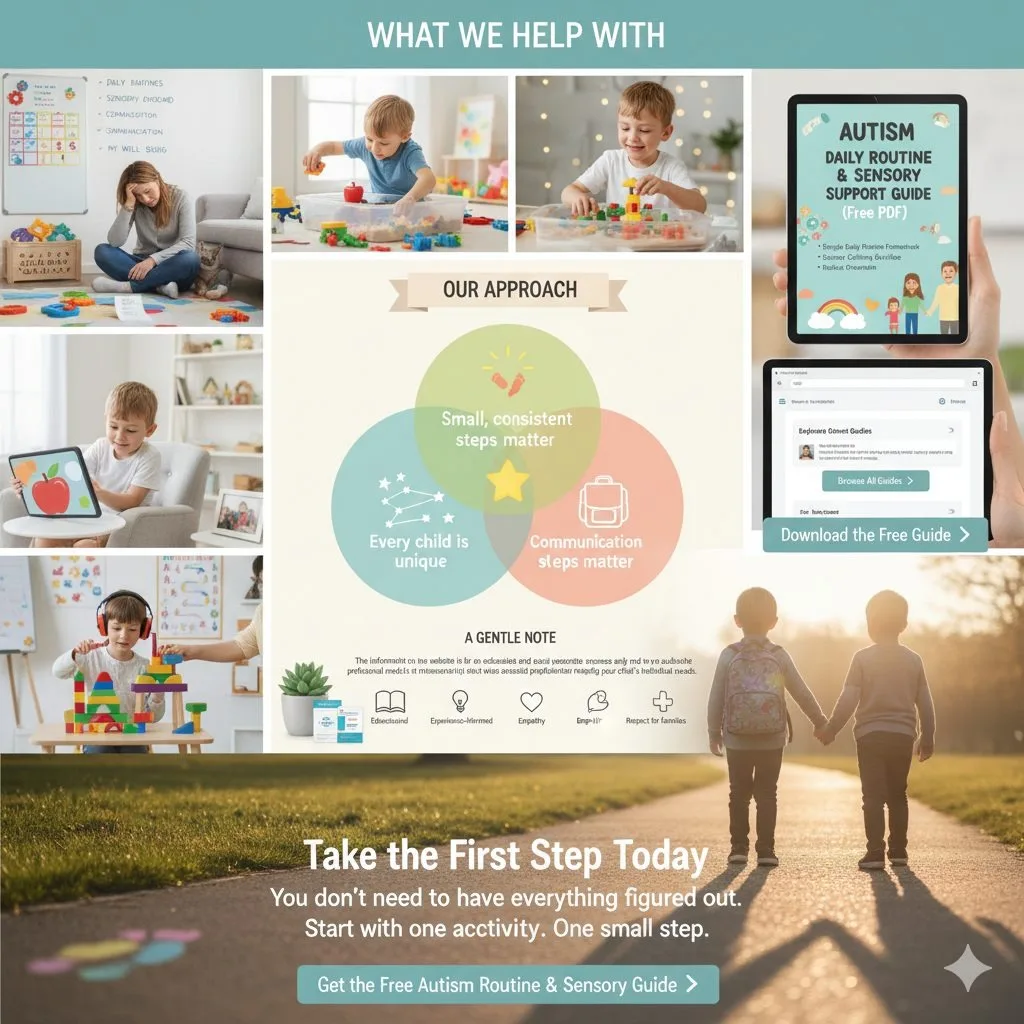
Morning, daytime, and bedtime structures that actually hold up on hard days.
Home activities to help your child feel calmer and more regulated.
AAC, PECS, and non-verbal strategies that build real connection.
Prepare your child for the classroom, one skill at a time.
Because caring for your child starts with caring for you too.
One PDF, straight to your inbox, practical enough to use today, wherever you are in the world.
Send me the guide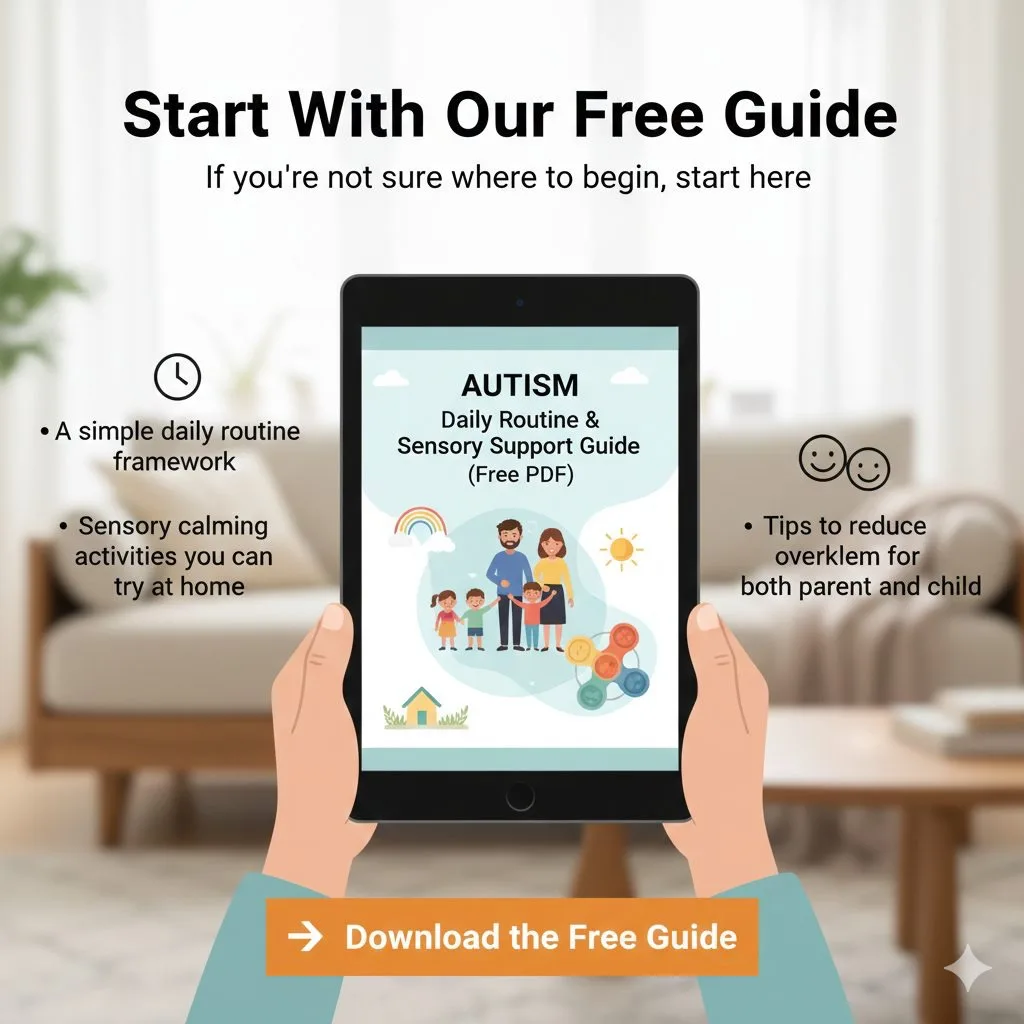
| What matters to you | Generic parenting sites | Future for Autism |
|---|---|---|
| Written by | Content writers, unnamed | A named parent of an autistic child |
| Cost | Often paywalled or ad-heavy | Always free |
| Advice style | Generic checklists | What actually worked, and what didn't |
| Support | None | Free 30-min parent-to-parent call |
Morning, school, and bedtime schedules, plus visual supports that actually work at home.
Read the guide →Understanding sensory overload and the home strategies that help your child self-regulate.
Read the guide →What's actually happening during a meltdown, and how to support your child through it.
Read the guide →This isn't a therapy session or a professional appointment. It's honest experience shared, what actually worked (and didn't) for our family, with no fee attached.
If you don't see your question here, ask it directly on the free call.
No. Everything here comes from our own family's experience and research, not a clinical practice. Please continue working with your child's doctors and therapists. This site is a companion to that, not a replacement.
Kanika Lamba, mother of an autistic child, writes and reviews everything on this site, drawing on years of firsthand experience alongside published research.
Yes. Every guide on this site is free, always. We don't sell programs, courses, or products.
That's completely normal. Every autistic child is different. Think of these guides as starting points and honest experience, not guarantees or a fixed formula.
You'll talk directly with Kanika for 30 minutes about whatever you're facing. It's not a clinical consultation, just one parent listening to another and sharing what's genuinely helped.
Neither, technically. It's a parent-created, parent-focused website, not a registered charity or a business. There's nothing to buy, and no organizational agenda beyond sharing what one family learned.
It isn't a replacement for one. A therapist provides trained clinical support tailored to your child; this site provides parent-level, at-home context and honest experience to sit alongside that professional support, not instead of it.
Communication strategies, comprehension, AAC and PECS, visual supports, and teaching specific requesting skills.
Read the post →A practical, research-backed approach to toilet training an autistic child, based on a modified intensive outpatient protocol.
Read the post →What genuinely changes at each stage across communication, play, self-help, and sensory needs.
Read the post →


